Knapp v. Art.com Inc.
Under the settlement, class members will receive $10 vouchers for use on Art.com's ecommerce sites. The settlement has hallmarks of the coupon-settlement abuse that Congress targeted with the Class Action Fairness Act of 2005.
As in the overwhelming majority of strike suits, the settlement in Gordon v. Verizon did not provide any monetary relief to shareholders. Instead, it provided immaterial supplemental disclosures and corporate governance change. Due to CCAF's objection, the court awarded a reduced amount of $1.5 million in fees and expenses.
A double billing error discovered by the Boston Globe and Ted Frank evolves into one of the most in-depth inquiries into securities suit billing. An appointed special master discovered undisclosed payment to attorneys who did no work in case, but plaintiffs' counsel tries to retain their $75 million fee. HLLI successfully argued for a reduced fee and defended the fee award on appeal as an amicus.
The U.S. District Court for the Northern District of California adopted some of our objections, reducing the plaintiffs' attorneys fee request by 25 percent, from more than $17 million to $13 million.
In a victory for CCAF, the new settlement provides a $700,000 fund, which will provide more than $500,000 to class members, as a result of the Center’s involvement in the litigation. The original settlement provided only attorneys’ fees and meaningless label changes to class members.
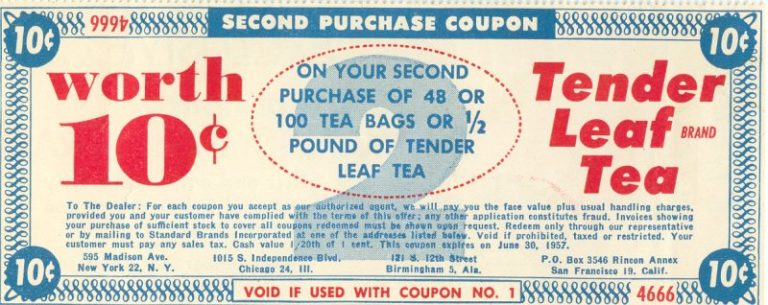
On July 29, 2016 the U.S. District Court for the Eastern District of Pennsylvania ruled that the $14 million fee request by attorneys in a coupon settlement over Justice clothing store sales was excessive under federal law and that only $5.3 million could be currently justified. At the conclusion of the coupon redemption period, the objectors CCAF represents moved to disgorge pay-offs that had been made to self-interested so-called "professional objectors."
In a victory for CCAF, the district court denied approval of the settlement. From the bench, and for many of the reasons discussed in Barton's objection, the Court observed that the proposed settlement provided little to no benefit to the national class and, thus, class members were better off retaining their rights than settling for the relief provided by the settlement.
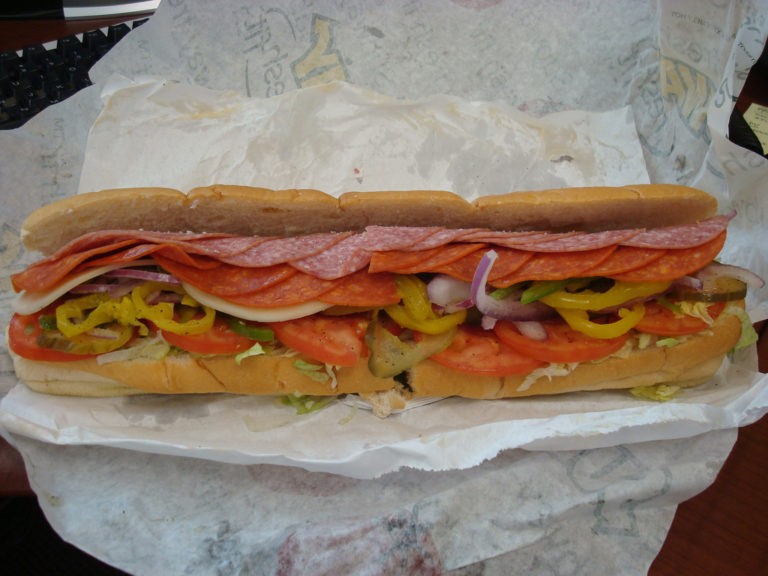
In a victory for consumers, the Center for Class Action Fairness successfully objected to an abusive class action settlement in a case about the length of Subway’s “footlong” sandwiches. The proposed settlement benefitted only nine people in the class but awarded more than half a million dollars to the class attorneys.
Class counsel sought 30% in fees -- over $45 million -- from the $150 million mega-fund and justifies the request with a lodestar that is both inadequately supported and based on numerous forms of over-billing. The district court reduced the excessive fee request by $9 million.
CCAF challenged strike suit that provided meaningless disclosures, prompting Seventh Circuit to adopt “plainly material” standard in order to approve such settlements. “Strike suits affect over 97 percent of mergers, costing businesses millions. We hope other courts follow Delaware and the Seventh Circuit in taking steps to shut down this racket.”