Watch Ted Frank Argue Appeal in Google Location History
Ted Frank argued before the Ninth Circuit in In re Google Location History Litigation concerning a settlement that diverts all money to third-parties.
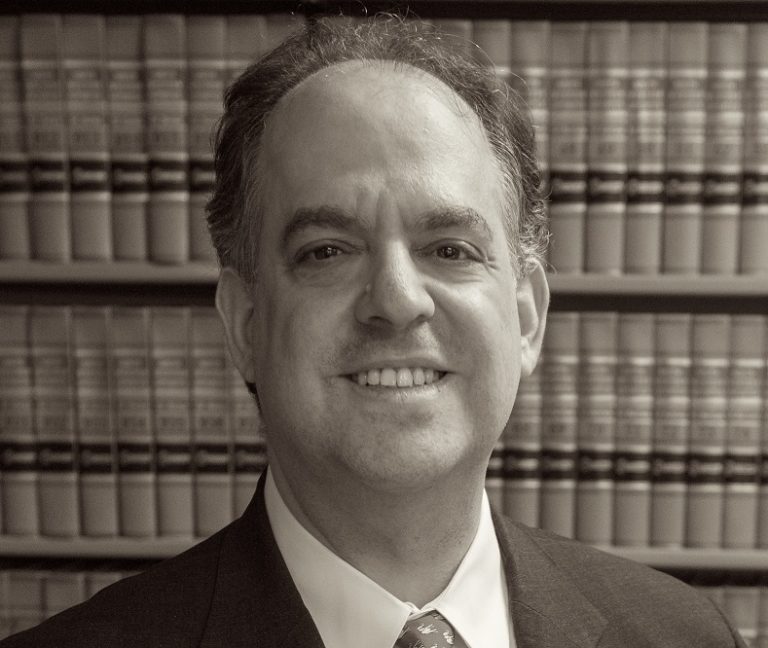

Ted Frank argued before the Ninth Circuit in In re Google Location History Litigation concerning a settlement that diverts all money to third-parties.
Reuters reported on HLLI's objection on behalf of two car rental franchises to an eleventh-hour request by attorneys to add $93 million to an already-generous fee award in In re Automotive Parts Antitrust Litigation.

Bloomberg Law reported on Ted Frank, HLLI's co-founder, arguing before the Seventh Circuit in In re Broiler Chicken Antitrust Litigation.

In a victory against unfair class action practices, a district judge found that so-called “strike-suit” plaintiffs violated a securities law and Rule 11 by filing frivolous suits against Akorn, Inc. and its board in 2017, when Akorn was in the process of approving an unsuccessful merger.

HLLI represents objectors challenging a cy pres settlement that pays $0 to the class but $62 million for attorneys' fees and to third-party organizations, many of which have pre-existing relationships with Google or the attorneys.

HLLI advocated to successfully stop $10.5 million in class action funds in the case Hawes v. Macy’s, Inc. from being routed, through settlement cy pres, to a left-wing nonprofit advocacy group with no direct interest in the case. Case No. 1:17-cv-754 (S.D. Ohio 2023).

There is another form of charitable giving, which happens without much fanfare, each year. It is called cy pres, and it often results in money diverted away from people to whom it is owed and toward causes they may or may not support.

HLLI is pleased that Judge Orrick agreed with our opposition thereby preserving $30 million of the settlement to be distributed to class members like Stephens.

The Seventh Circuit agreed with HLLI, vacating a $57 million attorneys’ fee award in the Broiler Chicken Antitrust Litigation. Theodore H. Frank, who argued the case remarked “this is an important decision that should help consumers win more money from large settlements, where plaintiffs’ attorneys enjoy economies of scale.”
HLLI represents an objector challenging the fairness of a settlement that pays class counsel $76,500,000 in attorneys’ fees, and deducts $5 million more in expenses and service awards, well above the standard 25% benchmark, and much higher than the 15-20% expected in a settlement of this size.