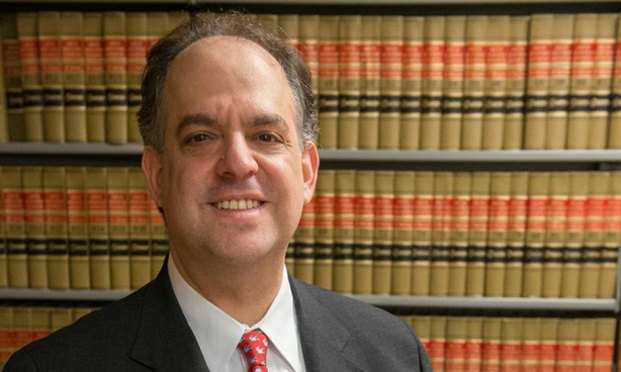
Boston Globe Exposes Cost Inflating Class-Action Attorneys
“This happens all the time,” said Frank. “Lawyers pad their bills with overstated hourly work to make their fee request seem less of a windfall.”
The Boston Globe discusses Thornton Law Firm's legal fees in class-action lawsuits with the Center for Class Action Fairness's founder Ted Frank. Critics of the way lawyers are paid in class-action lawsuits acknowledge that firms often dramatically mark up the rates of their lower-paid attorneys when seeking legal fees in court, but they say Thornton has pushed the practice to an extreme. “This happens all the time,” said Ted Frank, a lawyer…
“[T]he cacophony created by shoddy objections brought by bad-faith objectors,” the lawsuit states,” interferes with a court’s ability to fairly consider the reasoned good-faith objections brought by the Center.”
Frank told TheDCNF that courts have ways of ensuring “the money gets to the victims,” including “telling the lawyers they don’t get paid if they don’t find” everybody who should be paid. “When the courts hold their feet to the fire, the money gets to the victims,” Frank said.
Frank took issue with these terms, so he bought a pack of "Ultra" batteries from Amazon.com to become a class member. "This is really a settlement structured to benefit the attorneys and nobody else," he said.
BakerHostetler cites the Center for Class Action Fairness's case in their 2015 Class Action Fairness Year-End Review.
Ted Frank speaks to the Federalist Society Litigation Practice Group Podcast regarding his cert petition with the Supreme Court in Frank v. Poertner.
(Reuters) - A federal district judge abused her discretion in awarding a nonprofit money left over from a $490 million securities class-action settlement concerning the 1998 merger of BankAmerica and NationsBank that created Bank of America Corp, a divided federal appeals court ruled on Thursday.
Judge Posner agreed with little of what the lower court determined, but he found the trial judge's refusal to consider the cy pres amount in calculating the class benefit correct "for the obvious reason that the recipient of that award was not a member of the class."
Posner, ruling in favor of objectors in Pearson v. NBTY, outlines a series of conflicts and deceptions that any class-action lawyer worth her salt would sue over in an instant. But in this case it was the lawyers who perpetrated them, with the help of a judge who was all too willing to overlook the economic realities of the consumer class-action business.