Justice Alito Addresses A Federal District Judge’s Policy Of Requiring Race- and Gender-Conscious Selection of Class Counsel
In each loss, a Justice has issued a separate statement intimating that the lower court had erred. That’s pretty remarkable.

In each loss, a Justice has issued a separate statement intimating that the lower court had erred. That’s pretty remarkable.
On Wednesday, Bates sided with the objectors. He denied approval of the settlement, finding that it unfairly released class claims for monetary damages.

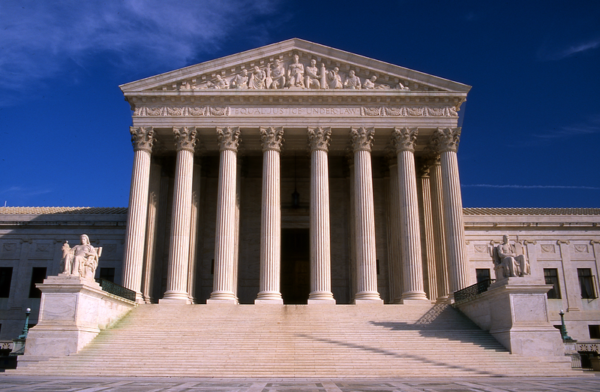
Chief Justice Roberts acknowledged the need for the Court to address the increasing use of cy pres settlements. He wrote, “…review of this case might not have afforded the Court an opportunity to address more fundamental concerns surrounding the use of such remedies in class action litigation, including when, if ever, such relief should be considered….In a suitable case this Court may need to clarify the limits on the use of such remedies.”
"The leading critic of abusive class-action settlements is Ted Frank of the Center for Class Action Fairness, and he is one of the lawyers challenging the Facebook settlement. In testimony in March before a House subcommittee, Mr. Frank said Facebook’s payment to the new charity bordered on a sham."

A federal appeals court has overturned a class action settlement that gave the plaintiffs’ lawyers $2.73 million and Pampers customers with receipts and UPC codes a refund on a box of diapers.

The recent decision by the Sixth Circuit, overturning approval of a class action settlement in In re Dry Max Pampers Litigation (6th Cir. Aug. 2, 2013), is another in a string of wins for the Center for Class Action Fairness, which objects to settlements it considers unjust, and another reminder to class action defendants that they have to bear objections in mind when negotiating settlements.

That settlement was challenged by the Center for Class Action Fairness, a Washington nonprofit that challenges class-action settlements it views to be unfair. “When attorneys get more than the class is getting, it’s an unfair settlement,” said Ted Frank, the organization’s founder. “The class counsel owes an obligation to its clients to get a good deal for them before it gets paid.”

“We’re very pleased – we’re doing this to play traffic cop and make the law better,” Frank said. “The class attorneys have a fiduciary responsibility to their clients, but a lot of attorneys prefer to just negotiate settlements where they get all the money and their clients get imaginary relief.” Far too often, Frank said, judges rubber stamp such settlements.

On Friday, Frank and lawyers from Baker Hostetler filed a petition for a writ of certiorari at the U.S. Supreme Court, asking the justices to review the 9th Circuit Court of Appeals’ approval of a $9.5 million settlement of class action allegations that Facebook’s now-dismantled “Beacon” program violated users’ privacy by revealing their online purchases.

Instead, the lower court "estimated the 'ultimate value' of the settlement to the class at roughly $1.5 million," Smith wrote, noting that it recognized "that it would be improper to award fees that outstrip the calculated class benefit."