Leroy v. Livingston Manor School District
HLLI filed an appeal over a school district's unconstitutional punishment of a high school student for his social media post.


HLLI filed an appeal over a school district's unconstitutional punishment of a high school student for his social media post.
On behalf of a firearms collector and hobbyist, HLLI filed a lawsuit over the Biden Administration's new rule that restricts gun sales between private citizens.

HLLI represents objectors challenging a cy pres settlement that pays $0 to the class but $62 million for attorneys' fees and to third-party organizations, many of which have pre-existing relationships with Google or the attorneys.

HLLI represents an objector challenging the fairness of a settlement that pays class counsel $76,500,000 in attorneys’ fees, and deducts $5 million more in expenses and service awards, well above the standard 25% benchmark, and much higher than the 15-20% expected in a settlement of this size.
HLLI challenges the Department of Labor’s rule undermines key protections for retirement savings of 152 million workers in the name of promoting environmental, social, and governance (“ESG”) factors in investing over the rigid duty of loyalty and prudence that plan fiduciaries owe to plan investors.

Hamilton Lincoln Law Institute represents an objector challenging the fairness of a settlement that pays $1.4 million to the class and over $4 million to the attorneys.

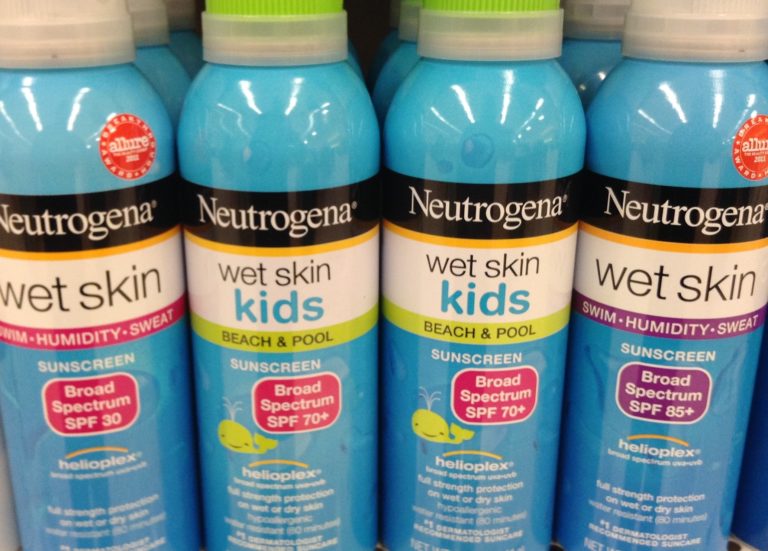
Theodore H. Frank filed an objection to coupon settlement that will provide $5 vouchers to class members who allegedly purchased sunscreens with excessive carcinogenic benzene, while providing attorneys with $2.6 million in fees that defendants have agreed not to oppose.
HLLI filed suit on behalf of a pharmacist who challenges a new Missouri law that would prevent pharmacists in the state from communicating with physicians or patients to dispute the effectiveness of ivermectin or hydroxychloroquine for human use as a COVID-19 treatment.
![<em>Stock v. Gray</em> et al. [Missouri Board of Pharmacy]](https://hlli.org/wp-content/uploads/2022/07/OSU-Pharmacist-768x614.jpg)
The settling attorneys argue they should be paid 38% of the $181 million settlement fund as fees and costs, which is nearly triple the percentage typically awarded in a settlement of this size. The fee request is also more than twice what one of the lead firms has bid as a percentage fee award in two other antitrust cases.
Theodore H. Frank objects to a class action settlement involving Neuriva-branded nutritional supplements that will pay class members perhaps one third of the $2.9 million fee request that plaintiffs’ counsel seek for themselves.