Blackman v. Gascho
CCAF sought Supreme Court review for a challenge to a lopsided class action settlement agreement that left over 90 percent of the class with nothing while the lawyers got an outsized, 60 percent share of the settlement fund.
The Center objected to a settlement that paid the class $0, established meaningless corporate governance changes, and paid the attorneys over $10 million: the court agreed that fees were excessive and reduced the request by $4.6 million.
In this settlement over Apple power adapters, the district court failed to appraise class relief compared to the $3M that the settlement awarded to plaintiffs’ lawyers, and ordered an abusive appeal bond when the objectors appealed to the Ninth Circuit. CCAF prevailed on appeal.
As a result of CCAF’s objection, more than $2.3 million was distributed to class members instead of unrelated organizations. The parties had originally requested that these dollars be awarded to organizations unrelated to the litigation, a practice known as cy pres.
The Sixth Circuit agreed with CCAF that the district court should not have given credit to imaginary and illusory valuations of class relief. The landmark decision acknowledged that the fairness of a class settlement must be analyzed by how it treats class members versus class counsel-a distinction that far too many judges fail to make.
In August 2013, the district court approved the final settlement and adopted some of CCAF’s arguments on injunctive relief, attorneys' fees, and increased the class-member award to $15 from $10, making several million dollars more available for the class by reducing the attorneys’ fees.
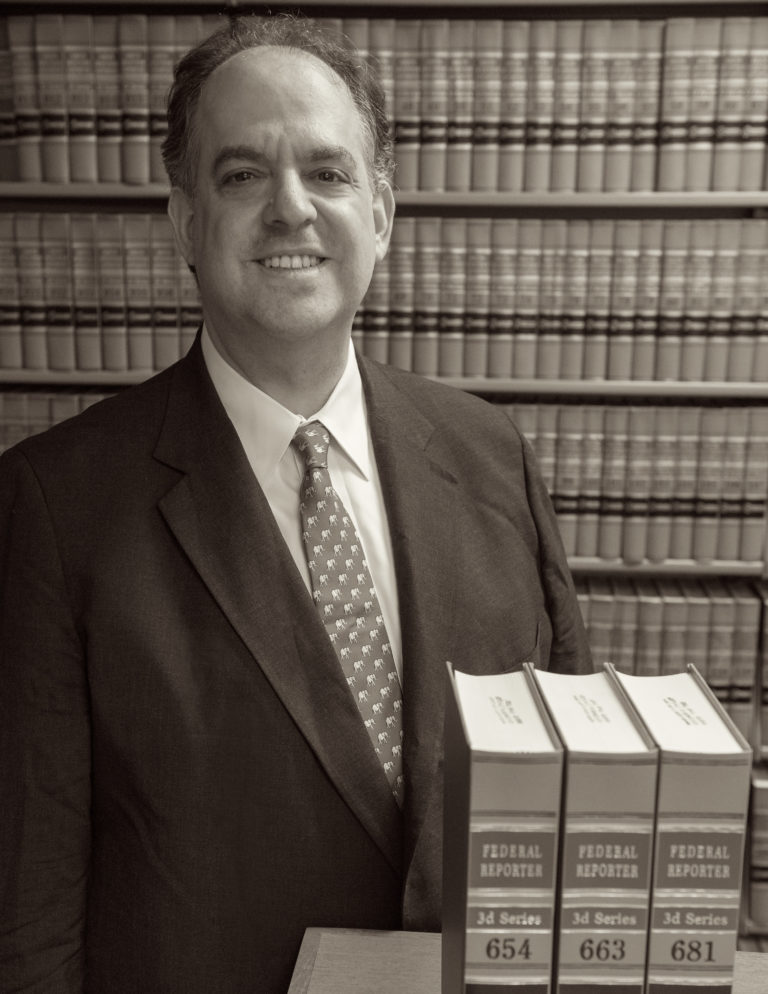
Frank's wins include a 9th U.S. Circuit Court of Appeals ruling that tossed a settlement of a case against Bluetooth headset manufacturers who allegedly didn't give prominent enough warnings about hearing loss. Consumers would have gotten no cash, and plaintiffs' attorneys would have gotten $850,000.
He has already picked up some wins, including a significant ruling in August in a class action against Plantronics and the company formerly known as Motorola Inc. concerning Bluetooth headsets. The Ninth Circuit rebuffed a deal that would have paid no money to class members but would have given $100,000 to four nonprofit groups dedicated to hearing loss and $850,000 to the plaintiffs’ lawyers. The lawyers are now back in the lower court, trying to hash out a new deal.
Ted Frank, founder of the Center for Class Action Fairness, had objected to the Bluetooth settlement and argued the successful appeal. The law is clear that the Dry Max settlement should also be rejected, and his organization will appeal if it isn’t, he said.
The decision provides yet more evidence that the real problem with these settlements lies with the judges who approve them. Class-action lawyers are peddling absolution to their targets: In exchange for a settlement that includes lucrative fees, they can obtain a court decree ending the possibility of any further litigation over the same claims.