
Center for Class Action Fairness at HLLI
The Center For Class Action Fairness at HLLI
The Center for Class Action Fairness (CCAF) represents consumers and shareholders pro bono against abusive class action settlements. It has won hundreds of millions for consumers and shareholders, by persuading courts to curtail excess fees or to reject proposed settlements, which often results in improved settlements that winds more money for class members.
CCAF has set leading precedents concerning class action settlements, which safeguard consumers, investors, courts, and the general public.
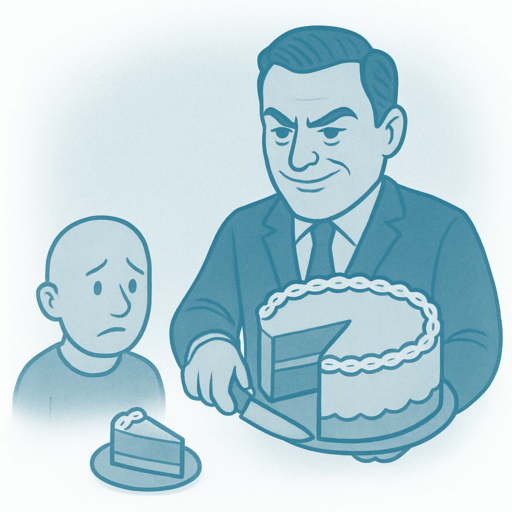
Named plaintiffs are usually cat’s paws of the class lawyers.
— Judge Richard Posner, In re Trans Union Corp. Privacy Litig.
What is a Class Action Objection?
A class action is a procedural device that groups together claims to make it practical to file a lawsuit. Class attorneys control litigation by recruiting a small number of named plaintiffs who theoretically represent in the class.
In fact, named plaintiffs rarely control the suit; in fact, they can be replaced if they do not cooperate with class attorneys.
Class actions rarely go to trial. When thee attorneys reach a proposed settlement, the presiding court orders notice sent to class members. This is often a postcard or an email. The notice contains the deadline for class members to object.
Objections are the only real opportunity for class members to oppose attorney-driven settlements.
After the objection deadline, the court holds a “fairness hearing” and decides whether to grant final approval of the proposed settlement and attorneys’ request for fees.
Why Do We Represent Objectors?
When plaintiffs and defendants tell courts that they have settled a case, courts are generally happy to get a case off their calendar. This is a problem because defendants have an incentive to settle as cheaply as possible, and attorneys have an incentive to win the largest fee possible. Without adversarial objections, settlements tend to provide more befit to attorneys than the class.
What Kinds of Objections Do You Make?
Most CCAF objections involve gimmicks that attorneys use to exaggerate the value of the settlement to as an excuse to seek excessive attorneys’ fees. Common gimmicks include:
- Cy pres: diverting money to third party charities, often chosen for the benefit of the defendant and class attorneys.
- Coupon settlements: seeking attorneys fees for a settlement that provides “vouchers” that few class members will use.
- Claims-made settlements: imposing a claims process that does not contain a guaranteed fund, and misrepresenting its likely value.
- Worthless injunctions: seeking fees for providing disclaimers or commitments by defendant, which provide nothing to the class.
Additionally, CCAF objects to “megafund” fee requests. Attorneys usually seek 25-33% of class recovery. This is fair in smaller settlements that provide the claimed benefits without gimmicks. But in very large settlements with high intrinsic value, where recovery exceeds tens or hundreds of millions of dollars, high percentage fee awards result in a windfall.
Finally, CCAF objects to class representation problems: where class members with valuable claims are lumped together with class members with worthless claims. This dilutes recovery to consumers who should be compensated due to their real damages or state laws that provide statutory damages for things like data breaches.
A lawsuit is a fruit tree planted in a lawyer’s garden.
— Italian proverb
Our Current Class Action Objections

- HLLI represents objectors challenging a cy pres settlement that pays $0 to the class but $62 million for attorneys' fees and to third-party organizations, many of which have pre-existing relationships with Google or the attorneys.

- HLLI represents an objector challenging the fairness of a settlement that pays class counsel $76,500,000 in attorneys’ fees, and deducts $5 million more in expenses and service awards, well above the standard 25% benchmark, and much higher than the 15-20% expected in a settlement of this size.

- Theodore H. Frank objects to a class action settlement involving Neuriva-branded nutritional supplements that will pay class members perhaps one third of the $2.9 million fee request that plaintiffs’ counsel seek for themselves.

- HLLI attorney Anna St. John objected to a settlement with The Children’s Place because it would pay attorneys over $1 million in fees while leaving class members with only small $6 coupons that few class members will use.

- CCAF attorneys object to settlements with two airlines because the settlements do not explain how class members will be compensated, and the money might be diverted to third party cy pres beneficiaries.

- Class members and CCAF attorneys Ted Frank and Melissa Holyoak take their objection to Google search settlement to the Supreme Court. The settlement provided $0 to class members, but divided $8.5 million between the plaintiffs’ lawyers and third party cy pres recipients.

- CCAF attorney Theodore H. Frank won an appellate victory granting him intervention against the filers of strike suits that harm shareholder. Here, plaintiffs convinced Akorn to pay $322,500 in attorneys’ fees, although no benefit has accrued to the class—only immaterial supplemental disclosures.

- CCAF objects to settlement in antitrust price-fixing case which includes a nationwide class indirect purchasers of lithium ion batteries in a variety of electronic equipment. Only about 26 states provide a cause of action for such indirect purchasers, however, so recovery to those class members will be diluted by payments to claimants without meritorious claims.

- The Center for Class Action Fairness is challenging the legality of a class action settlement with Google that provides millions of dollars to the attorneys, and zero dollars to the class. Class members, who waive all rights to damages under the settlement, receive the same benefit whether or not they opt out.

- Thanks to the Center’s objection, the parties negotiated a new settlement providing the class with more than $3 million additional recovery.